I turn ideas into content, content into assets and assets into consistent output across multiple brands, products, and client accounts.
Seven years turning business marketing needs into seamless, high-value services. Across those years, I've worked in Edtech, B2B SaaS, marketing platforms, and media. I've led teams of eight. I've taken a brand's organic ranking from scratch to the top 22,000 websites globally in fifteen months (according to Similarweb). I've built content operations that produced 60+ pieces a month without losing quality. In a marketing capacity, I continue to build pipelines that are steady converting even today.
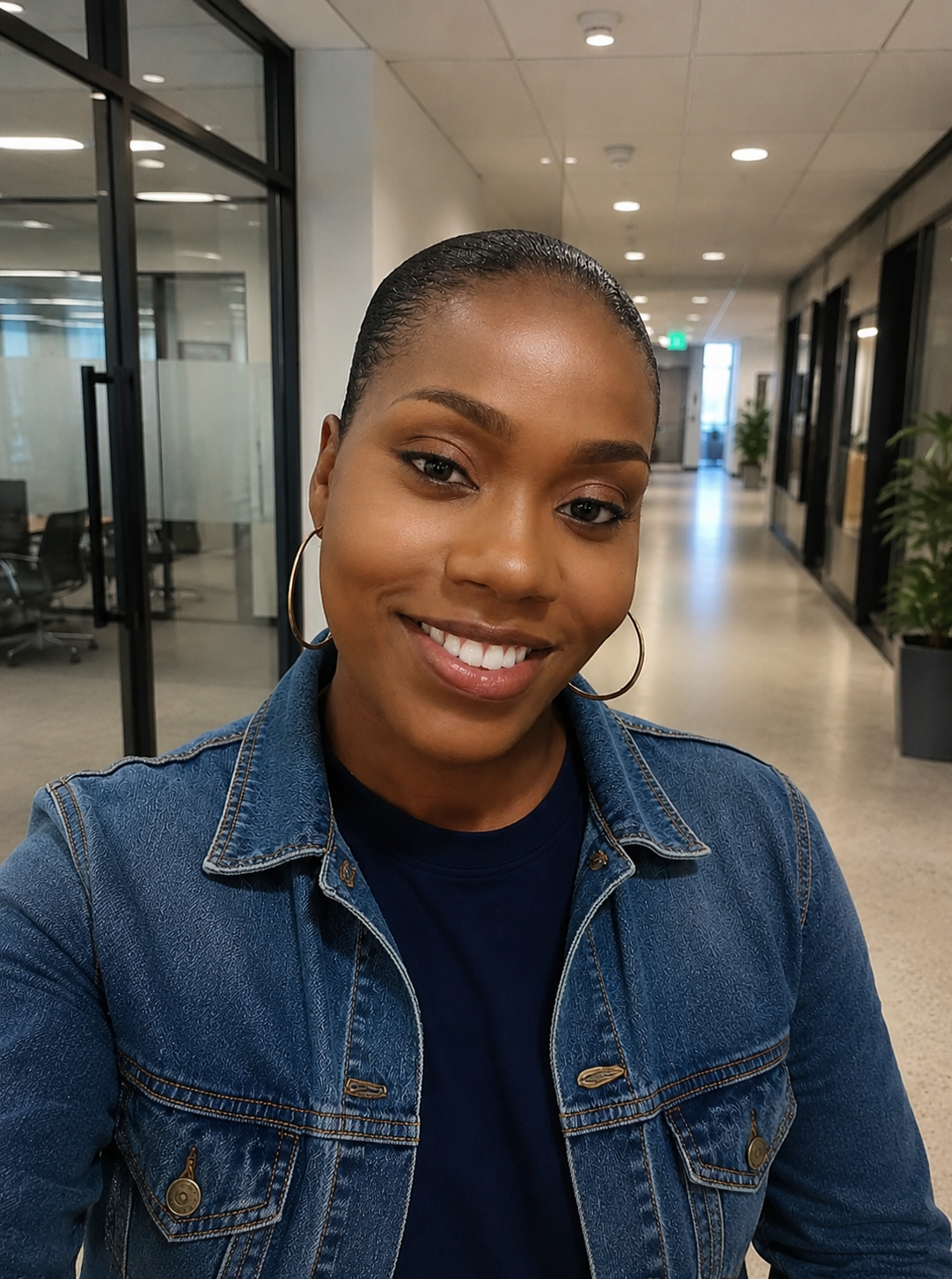
Content Philosophy
BioI've never believed companies have content problems.
Most have decision problems.
They publish because the calendar says it's time to publish. They chase keywords because competitors are doing it. They measure output because it's easier than measuring whether the work changed anything.
More content rarely fixes those problems.
Better decisions do.
That's why I spend more time asking questions than writing answers. Before a strategy, I want to understand what the business is trying to achieve, what customers are struggling to accomplish, and where the two fail to meet. Only then does content become useful.
The rise of AI hasn't changed that belief. If anything, it has strengthened it.
AI can generate thousands of words in seconds. What it cannot do is decide which problems are worth solving, which customer questions deserve attention, or what a business should become known for. Those are strategic decisions. They're made through judgment, research, trade-offs and context — not prompts.
That has changed how I approach my work.
I don't ask, "What should we publish?"
I ask, "What deserves to exist?"
Sometimes the answer is a blog post. Sometimes it's a sales enablement asset. Sometimes it's a workflow, a messaging framework, or an internal system that helps an entire team produce better work long after the project is finished.
I've also become increasingly interested in what not to create.
Every piece of content has a cost. It consumes time, attention, budget and maintenance. Publishing less — but publishing with intent — usually creates more value than filling a calendar with work that never compounds.
That's why I'm drawn to systems thinking.
The projects I'm proudest of aren't necessarily the ones that generated the most traffic. They're the ones that continued making teams better months after I stepped away: roadmaps that clarified priorities, workflows that removed friction, editorial standards that improved consistency, and AI systems that amplified human judgment instead of replacing it.
I think the next generation of content leaders will look less like editors and more like architects. They'll design decision-making systems. They'll connect customer insight with business strategy. They'll know when AI should lead, when humans should intervene, and when the smartest decision is to create nothing at all.
That's the kind of strategist I'm working to become.
Selected work
2025 — 2026Building a Content Planning System Around Business Goals
Problem- Improved strategic focus across content planning
- Supported campaigns reaching a combined audience of over 200,000
- Contributed to a one-third increase in sales
Creating a Single Source of Truth for Our Marketing Operations
Problem- Reduced manual campaign tracking
- Improved cross-functional visibility
- Created a scalable system capable of supporting future campaign growth
Designing a Brand Voice Operating System for AI
ProblemThe issue wasn't AI. The issue was governance.
It became clear that the problem wasn't writing ability — it was the lack of a shared operating system for brand voice.
The goal wasn't to replace human judgment. It was to remove repetitive decisions so writers could focus on strategic thinking.
- Reduced time spent rewriting AI-generated content
- Improved consistency across marketing assets
- Created a scalable content production system that could onboard future team members more quickly
If I expanded this system today, I would move beyond prompts and build a reusable knowledge layer — connecting approved messaging frameworks, product positioning, customer insights, and editorial standards into a shared retrieval system so every AI-assisted draft starts from trusted company knowledge rather than generic language.
Redesigning Customer Support Workflow with AI
Problem- Reduced repetitive administrative work
- Improved customer context during handoffs
- Created a smoother experience for both customers and support teams
Looking back, I'd introduce a structured feedback loop between customer support and marketing. The questions, objections, and recurring pain points captured by the AI workflow would feed directly into future content strategy — turning every customer conversation into research for product messaging, FAQs, and educational content.
How I work
How I Build Content SystemsBrief & Intent
Clarify audience, search intent, and business goal before any content takes shape.
AI-Assisted Research
Use AI tools to accelerate topic research, competitive scans, and keyword clustering.
Human-Led Outline
Structure the narrative and angle myself — strategy and judgment stay human.
AI-Drafted, Human-Edited
Draft with AI support, then rewrite for voice, accuracy, and editorial standards.
SEO/GEO/AEO Pass
Optimize for search engines, generative answers, and AI-overview visibility.
Publish & Measure
Ship, track performance against goals, and feed learnings into the next brief.
Strategic Capabilities
What I BringCapabilities
Questions I Ask Before I Build Anything
Working toolkit: Ahrefs · GA4 · HubSpot · Airtable · Salesforce · Notion · Claude · ChatGPT · Webflow
Speaking & Writing
Find Me HereCatch me on SheLeadsContent.com, LinkedIn and Medium (Ifeoma Chuks) every now and then.
Get in touch
ContactCurrently open for immediate full-time employment.